Intimate Product Cleaner Guide
A practical buyer-safety guide to intimate product cleaner, focused on materials, ingredients, rinsing, drying, storage, motor limits, and misleading sanitation claims.
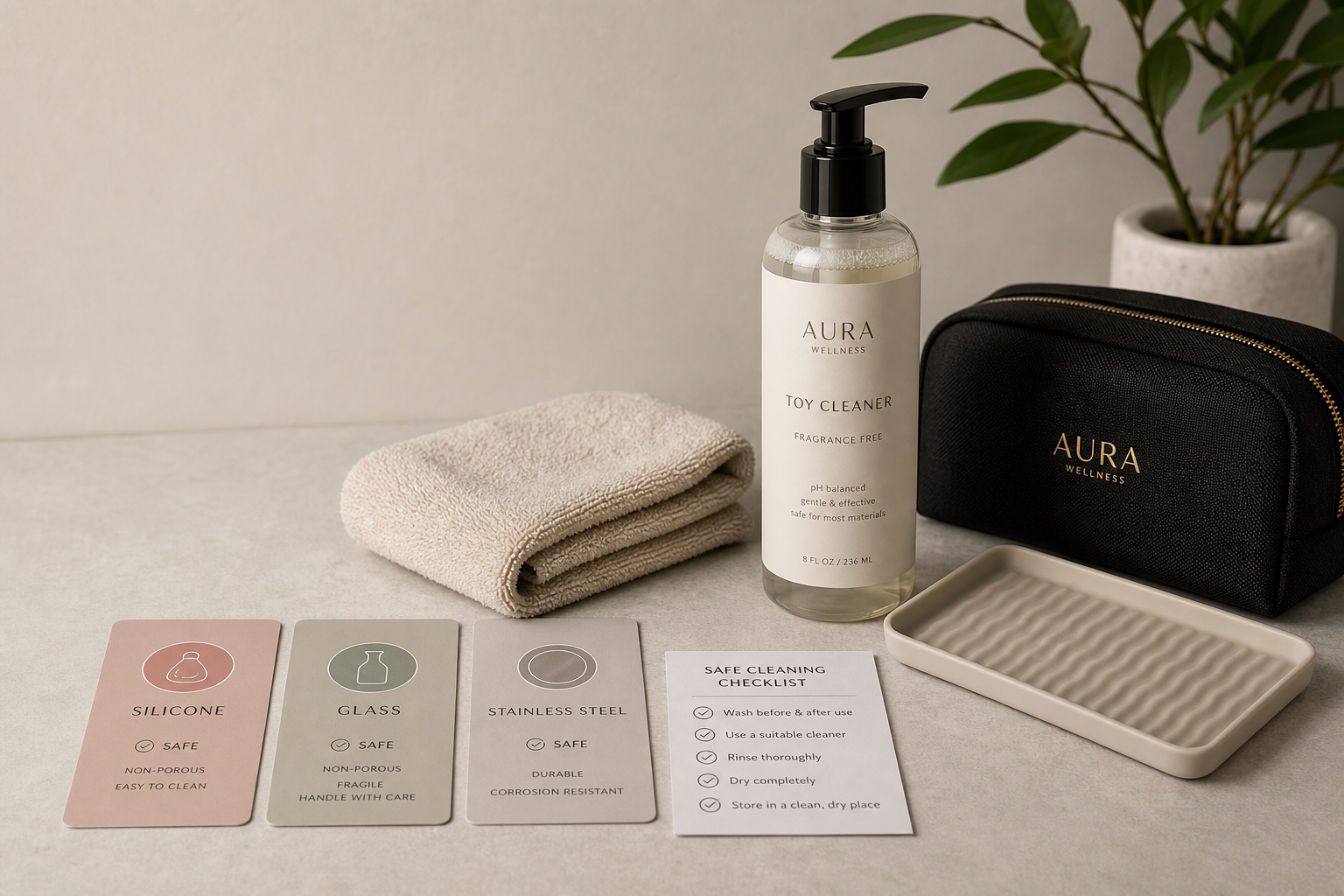
Quick Answer
Intimate Product Cleaner is useful when the label clearly matches your toy material, explains rinsing and drying, and avoids exaggerated germ-proof claims. The safest checkout decision starts with the product’s own care instructions, then checks the cleaner ingredient list, intended surfaces, contact time, motor warnings, and storage advice. Slow down if a cleaner claims to sterilize everything, hides ingredients, or replaces practical directions with fear-based copy.
Why cleaner choice matters
Adult intimate-care products can be made from silicone, ABS plastic, glass, stainless steel, TPE, coated materials, or mixed powered parts. A single spray cannot be judged responsibly without knowing what it will touch. A cleaner that is fine for one smooth non-porous surface may be a poor match for a charging port, seam, porous sleeve, or decorative coating.
The goal is not to make shopping scary. It is to make the label do its job. A good product page tells adults what the cleaner is for, how to use it, when to rinse, and when not to use it. That is more valuable than loud sanitation language.
Start with the toy material
Before buying cleaner, identify the toy material and whether the product is powered. Non-porous materials such as quality silicone, glass, and stainless steel are generally easier to clean than porous or uncertain materials, but the exact item still matters. Motors, seams, battery doors, suction openings, and textured areas need more care than a smooth solid item.
If the product maker gives care instructions, those instructions should lead. Cleaner packaging should support that guidance rather than contradict it. When the toy material is unknown, be cautious and ask support before applying a new chemical product.
Ingredient transparency and fragrance
A cleaner listing should make the ingredient panel easy to read. Fragrance-free or lightly scented wording may matter for shoppers who dislike residue or strong smells. Avoid assuming that botanical, natural, or hospital-grade language automatically means the product is better. The useful question is whether the cleaner’s ingredients, intended use, and warnings are clear.
If a cleaner contains alcohol, strong fragrance, dye, or aggressive antimicrobial language, read the directions carefully. Some shoppers may prefer a simpler product, especially for items used on sensitive body-contact surfaces. Product pages should not make allergy-proof promises.
Rinsing, drying, and storage
Cleaning is only one step. Rinsing and drying often decide whether the product stays pleasant to use. If the cleaner requires rinsing, rinse fully and avoid leaving residue in seams or textured areas. Dry the toy completely before storage so lint, moisture, and packaging dyes do not create new problems.
A breathable drying spot, clean cloth, and separate storage pouch can be more useful than a complicated routine. Do not charge powered products while damp. Do not seal wet items in a pouch. Care should be repeatable, not heroic.
Powered toys and water-resistance limits
Powered toys need extra attention because water-resistance ratings vary. A splash-resistant product may not be safe to submerge, and a cleaner spray can drift into seams or charging points. Look for clear care directions around buttons, ports, removable motors, and magnetic chargers.
If a listing uses waterproof casually, compare it with the product’s real rating and instructions. IP ratings, when provided, describe tested conditions; they are not a promise that every cleaning method is safe forever.
Red Flags / when to slow down before checkout
Pause if the cleaner hides ingredients, gives no material list, has no rinsing instructions, or claims to sterilize every intimate product without limits. Slow down if the product uses fear-based germ language, medical promises, copied labels, or vague professional-grade claims with no directions.
Also watch for no expiration or lot information, no support contact, unclear returns, and reviews mentioning sticky residue, strong odor, damaged finishes, or leaking bottles. Calm specific labeling is a trust signal.
Buyer checklist for intimate product cleaner
| Check | Better sign | Caution sign |
|---|---|---|
| Material match | Silicone, ABS, glass, or steel guidance is named | Safe for everything claim |
| Directions | Use, contact, rinse, and dry steps are clear | No rinsing or drying detail |
| Ingredients | Readable ingredient list | Only buzzwords or hidden panel |
| Powered toys | Ports and motors mentioned | Casual waterproof claim |
FAQ
Do I need a special intimate product cleaner?
Not always. Many non-powered, non-porous items can be cleaned according to their care instructions with mild soap and water. A cleaner can be convenient when the label matches the material and gives clear rinsing directions.
Can product cleaner disinfect every product?
No. Be careful with broad disinfecting claims. A cleaner should explain its intended use, contact time if relevant, rinsing, and material limits. It should not promise medical-level protection for every toy.
Should cleaner be rinsed off?
Follow the product label and the product maker’s instructions. If either says rinse, rinse thoroughly and dry fully before storage.
Is cleaner safe for silicone toys?
Only if the cleaner label and toy instructions support that use. Silicone, ABS plastic, glass, stainless steel, and motors can have different care limits.
What is a checkout red flag?
Hidden ingredients, no material guidance, copied photos, extreme germ-killing claims, and no support contact are all reasons to slow down.
References and useful sources
Shop and learn next
Useful product or support links:
Related ShopLovaNest guides: