Cock Ring Size Guide: Fit and Red Flags
Learn how to compare cock ring size, materials, fit, time limits, comfort cues, cleaning, privacy, and safer checkout red flags.
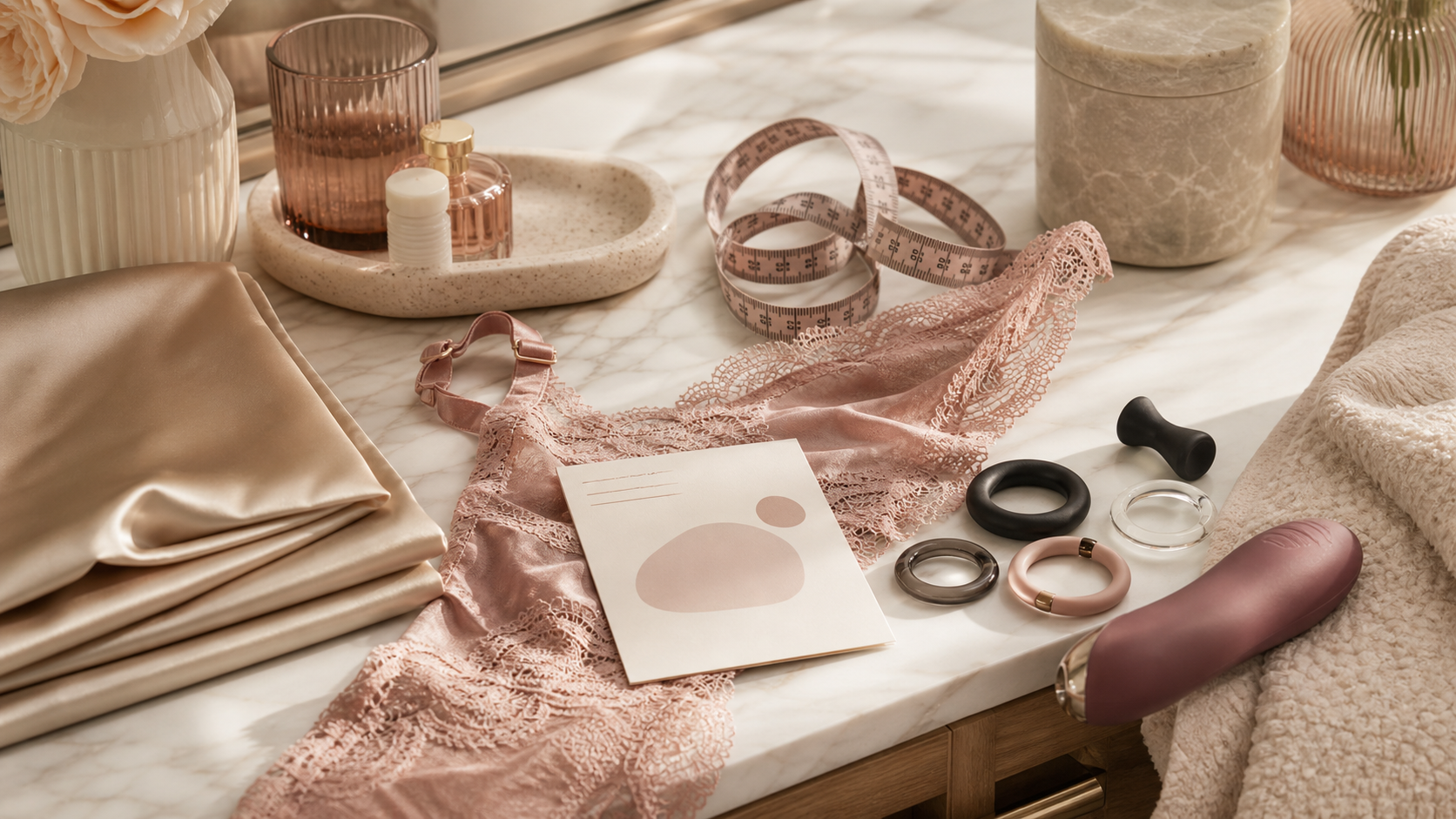
Quick Answer
Cock ring sizing is about comfort, material, and an easy exit—not chasing the tightest fit. Beginners usually benefit from adjustable or flexible designs, clear instructions, smooth edges, and conservative wear time. Slow down if a listing hides dimensions, skips material details, or treats numbness, pain, or color change as normal.
Why sizing deserves a separate checklist
Searches for cock ring size, cock ring sizes, adjustable cock ring, and metal cock ring show a practical buyer intent. The shopper is not simply asking what the product is. They want to know how to compare fit, whether adjustable designs are easier to start with, and why rigid materials deserve extra caution. That is different from a broad couples-accessory overview.
A responsible sizing guide should stay calm and specific. It should not make medical promises, pressure anyone into a risky fit, or use explicit language to sell. The useful question is simple: can the shopper understand the measurements, the material, the exit method, the cleaning routine, and the warning signs before checkout?
Start with material and adjustability
Flexible silicone and adjustable designs are often easier for first comparisons because they provide more tolerance than a rigid ring. That does not make every flexible product safe for every person, but it does give beginners more room to evaluate comfort. Look for a smooth finish, rounded edges, a clear release method, and visible diameter or circumference information.
Metal cock rings require more caution because they do not stretch. A rigid ring that is too small can be difficult to remove. If you are unsure about sizing, a rigid material is not the place to guess. The product page should explain dimensions in plain language and should not frame tightness as proof of quality.
How to compare listed dimensions
Good listings give actual measurements, not only small, medium, or large. Compare inner diameter, stretch range for adjustable products, band width, and material thickness. Band width matters because a wider band can feel very different from a thin band even when the inner diameter looks similar.
If you are comparing two products, write down the numbers before reading reviews. Reviews are subjective, and bodies differ. A review saying “perfect fit” is less useful than a page that lists dimensions, materials, cleaning steps, and a conservative use recommendation. When dimensions are missing, choose another listing or ask support.
Time limits, comfort cues, and easy removal
Use should be conservative and based on the product instructions. Treat pain, numbness, tingling, unusual color change, swelling, or trouble removing the product as a clear stop signal. Do not keep using a product because a listing or review suggests discomfort is expected. Comfort and easy removal are part of the product decision, not afterthoughts.
Beginners should also consider the setting. Avoid alcohol-impaired decision making, keep privacy and lighting practical, and make sure the release method is understood before use. If you have circulatory concerns, medical devices, injuries, or persistent discomfort, ask a qualified clinician rather than relying on shopping content.
Cleaning, storage, and partner communication
Material affects cleaning. Silicone, metal, and other materials may each have different care instructions. Follow the product label, dry completely before storage, and keep accessories away from dust or lint. If the item will be shared, discuss comfort, consent, cleaning, and stopping signals before buying.
Partnered purchases work better when both people can veto a design without pressure. A discreet checkout experience matters, but respectful decision-making matters more. Look for neutral packaging, clear returns information, and support that will answer practical questions without embarrassment.
Red Flags / when to slow down before checkout
Slow down if a product page has no dimensions, no material information, no release method, or no care instructions. Also pause if it claims one size fits everyone, treats pain or numbness as normal, or sells a rigid metal design to beginners without sizing cautions.
Be wary of pages that use exaggerated performance language or fake urgency instead of practical details. Responsible ecommerce copy explains fit, material, comfort cues, cleaning, privacy, and returns in plain language.
Practical comparison table
| Decision point | Better sign | Caution sign |
|---|---|---|
| Dimensions | Inner diameter or stretch range is listed | Only generic size labels |
| Material | Silicone, metal, or blend is clearly named | Vague “premium material” language |
| Removal | Release method is obvious before use | No easy exit explanation |
| Safety cues | Instructions mention stopping for discomfort | Pain or numbness treated as normal |
FAQ
What cock ring size should beginners choose?
Beginners should not guess. Start by comparing real dimensions and consider adjustable or flexible designs before rigid materials.
Are adjustable cock rings easier to size?
They can be easier to compare because they offer a range, but you still need material details, a release method, and clear instructions.
Are metal cock rings beginner-friendly?
Rigid metal designs require precise sizing and extra caution. If you are unsure, choose a more forgiving option or ask support.
What warning signs mean stop?
Pain, numbness, tingling, unusual color change, swelling, or trouble removing the product are stop signals. Ask a professional about health concerns.
What should a good listing include?
Look for dimensions, material, cleaning instructions, conservative use guidance, privacy details, and a clear return or support path.
References and useful sources
Shop and learn next
Useful product or support links:
Related ShopLovaNest guides: