Hands-Free Male Masturbator Guide: Fit and Care
Compare hands-free male masturbators by fit, sleeve material, support style, cleaning, noise, charging, privacy, and realistic setup.
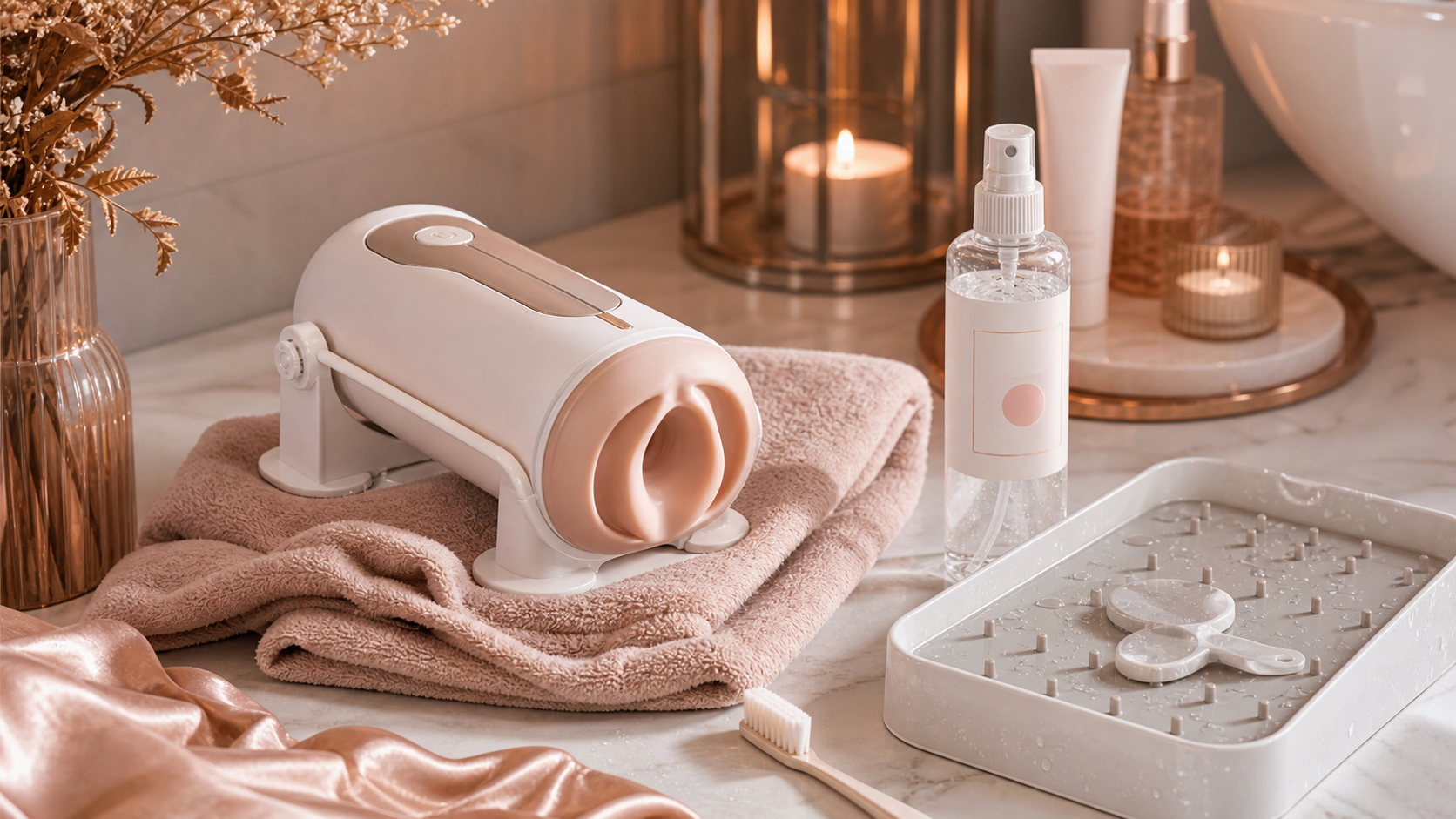
Quick Answer
A hands-free male masturbator is worth considering only when the fit, support method, sleeve material, cleaning routine, and privacy needs are clear before checkout. The best choice is not the most intense-sounding product; it is the one you can set up, clean, dry, and store without guesswork.
Why this is a separate buying decision
Searches such as hands-free wearable male masturbator and hands free male masturbator show a different intent from a basic sleeve purchase. The shopper is asking whether the product can stay in place, whether it needs a mount or strap, how much space it needs, and whether the setup is private enough for a real home. Those questions deserve more than a generic male toy roundup.
A hands-free design may sound convenient, but convenience depends on details. A product that requires awkward positioning, difficult cleanup, or loud charging may not feel easier in practice. Use this guide to compare construction, setup, and maintenance in calm, adult, ecommerce-friendly language.
Fit and support style come first
Start with how the product is supported. Some designs are wearable, some attach to furniture or a surface, and some simply have a shape that allows easier positioning. The product page should explain dimensions, opening size, weight, and whether the support system is included. If the listing only says hands-free without explaining how, slow down.
Fit is personal, so avoid products that promise universal results. Look for flexible language, clear measurements, and realistic notes about lubricant use. The product should be easy to stop using, reposition, and clean. If a setup looks complicated before purchase, it may feel even more complicated after delivery.
Sleeve materials, texture, and replacement parts
Material transparency is a trust signal. A responsible listing names the material that touches the body, explains whether the sleeve is removable, and tells you how to clean and dry it. Softer materials can feel flexible, but they may also require more careful drying and separate storage.
Replacement parts matter for hands-free products because the sleeve often does the most work. Check whether replacement sleeves are available, whether the texture is described in plain language, and whether the product needs water-based lubricant. Avoid listings that use exaggerated performance language while hiding the care routine.
Controls, charging, and sound in a shared home
Controls should be reachable after setup. If a product has remote controls, app controls, or multiple patterns, confirm how pairing works and what happens if the remote is lost or the battery runs low. A simple control layout can be better than a long feature list if privacy and ease matter.
Sound is not only motor volume. It can include vibration against furniture, sleeve movement, charging beeps, or storage noise. Compare reviews for practical sound clues. The Federal Trade Commission recommends checking seller information, reviews, return details, and total costs before online purchases; that advice applies strongly to higher-priced intimate wellness devices.
Cleaning and drying without damaging electronics
Hands-free products often combine a sleeve, shell, motor, seams, and charging contacts. That makes cleaning more important. Follow the manufacturer directions, remove washable parts only when instructed, and avoid soaking electronics unless the product has clear waterproof guidance. IP ratings can describe dust or water ingress resistance, but marketing words like waterproof and water-resistant are not interchangeable.
Drying is part of cleaning. Leave removable sleeves open to air-dry completely when the instructions allow it, and do not store a damp sleeve inside a closed device. Moisture around seams or charging areas can create odor, residue, or damage risk. If cleaning sounds too fussy for your routine, a simpler manual sleeve may be the better purchase.
Red Flags / when to slow down before checkout
Slow down if the product page has no dimensions, no material name, no cleaning instructions, no privacy policy, no replacement part information, or no realistic explanation of the support method. Be cautious with unsupported health, fertility, stamina, or performance promises. Also pause if the product looks too large to store privately, too loud for your home, or too complicated to clean.
A trustworthy store should make practical limits visible. Private billing, plain packaging, responsive support, and clear care instructions are part of the value. If those basics are missing, keep comparing.
External references worth knowing
For broader consumer caution, review the FTC guidance on online shopping at https://consumer.ftc.gov/articles/online-shopping. For water and dust resistance terminology, IEC explains IP ratings at https://www.iec.ch/ip-ratings. For condom and safer-sex context, FDA condom information is available at https://www.fda.gov/medical-devices/consumer-products/condoms and CDC condom-use guidance is available at https://www.cdc.gov/condom-use/. These sources do not endorse any product; they help shoppers understand labels, compatibility, and cautious decision-making.
Practical shopping checklist
Use this short checklist before checkout: confirm the support style, read dimensions, identify body-contact materials, check lubricant compatibility, verify cleaning and drying steps, compare noise comments, review replacement parts, confirm discreet shipping, and choose a size you can store privately. If two products look similar, pick the one with clearer instructions rather than louder marketing.
Shop and learn next
Useful product or support links:
Related ShopLovaNest guides:
FAQ
Is hands-free always easier?
No. A hands-free design can reduce hand strain, but it usually adds fit, positioning, cleaning, and storage questions. Choose it only if the support style makes sense for your space and routine.
What material details should I look for?
Look for clearly named sleeve materials, cleaning instructions, drying guidance, and replacement information. Avoid vague soft blends, strong odors, sticky surfaces, or missing care directions.
Are automatic and hands-free the same thing?
Not always. Automatic describes powered movement or stimulation. Hands-free describes how the product is supported or held. Some products are both; others are only one.
How should I compare noise?
Read practical reviews, consider motor strength and room noise, and avoid assuming that a larger product will be quiet. Privacy also includes charging, storage, and packaging.
What if a product feels uncomfortable?
Stop using it and recheck sizing, support, lubricant compatibility, and instructions. Do not treat product pages as medical advice; ask a qualified professional about ongoing discomfort.