Water-Based Lube: A Beginner-Friendly Compatibility Guide
Learn what water-based lube is, when it works best, how it compares, toy and condom compatibility, cleanup, and shopping checks.
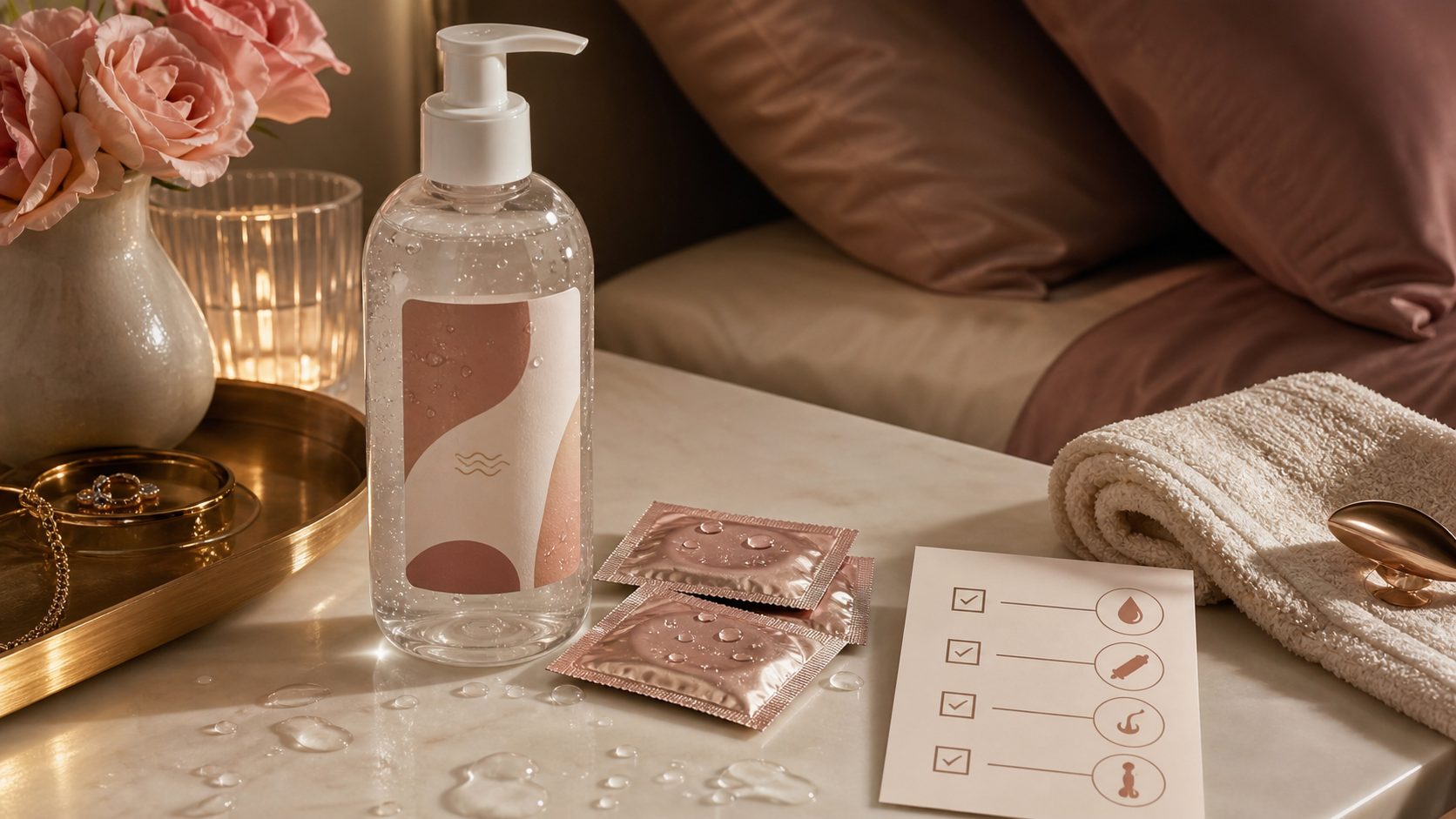
Quick answer: match lubricant to material and use case
Water-based lubricant is often the safest first comparison point because it is widely compatible with many toys and condoms. Silicone-based lubricant can last longer but may not suit some silicone toys. Oil-based products can damage latex condoms and are not interchangeable with intimate lubricant.
What is water-based lube?
Water-based lube is a personal lubricant formula that uses water as its base. It is commonly chosen for everyday compatibility, especially when someone wants a product that is easier to wash from skin, sheets, and many non-porous adult wellness products. Exact ingredients vary, so always read the label.
When water-based lube is a good choice
| Use case | Why it helps | What to check |
|---|---|---|
| Beginner shopping | Easy cleanup and broad compatibility. | Choose a simple formula and read ingredients. |
| Silicone toys | Often preferred because silicone lubricant may not be compatible with silicone surfaces. | Follow the toy and lube instructions. |
| Condom use | Many water-based lubes are condom-compatible. | Confirm compatibility on the label. |
| Sensitive skin concerns | Some shoppers prefer simpler or glycerin-free formulas. | Avoid assuming “natural” means irritation-free. |
Ingredients and shopping notes
Searches like best water based lube, glycerin free water based lube, natural water based lube, and water based lube for sensitive skin show that shoppers want ingredient clarity. Look for the full ingredient list, expiration date, compatibility notes, and storage instructions. If you have allergies, irritation history, pregnancy-related questions, or medical concerns, ask a qualified professional rather than relying on marketing language.
Water-based vs silicone lube
Water-based lube usually wins for easy cleanup and toy compatibility. Silicone lube may last longer in some situations, but it requires more compatibility checking around silicone toys and can be harder to wash away. For a full comparison, read water-based lube vs silicone lube.
How to use and store it
- Read the label for condom, toy, and material compatibility.
- Apply a small amount first and add more only if needed.
- Reapply when it begins to dry rather than using too much at once.
- Close the cap tightly and store away from heat and direct sunlight.
- Stop use if irritation occurs.
Red flags to slow down before checkout
- The product page avoids material, dimensions, cleaning, or charging details.
- The seller makes guaranteed medical, fertility, relationship, or therapeutic claims.
- The page uses pressure-based language but does not explain returns, privacy, or support.
- Care instructions are missing or conflict with the product’s water, material, or power design.
How to use this guide in a real buying decision
Use the guidance above as a short decision path rather than a rigid rule. First, define the situation you are buying for: private solo use, partnered use, travel, sensitive skin, easy cleaning, discreet delivery, or a beginner-friendly first purchase. Then compare only the products that answer the practical questions clearly: material, size, controls, water exposure, lubricant compatibility, cleaning, storage, shipping privacy, and return limits.
If two products look similar, choose the one with clearer specifications and simpler care. A transparent product page is usually more valuable than a dramatic feature list, because it helps you maintain the item safely and avoid surprises after delivery. When any detail is unclear, contact discreet support before checkout instead of guessing.
FAQ
Is water-based lubricant the safest beginner choice?
It is often the easiest starting point because it works with many toys and many condoms. Still, read the label for intended use, ingredients, and compatibility.
Can silicone lubricant damage silicone toys?
Some silicone lubricants may affect some silicone toy surfaces. Unless the seller confirms compatibility, use water-based lubricant with silicone toys.
Is massage oil the same as lubricant?
No. Massage oil and intimate lubricant are not interchangeable. Oil-based products can damage latex condoms and may not be suitable for intimate use.
What should sensitive-skin shoppers check?
Look for simple ingredient lists, avoid unnecessary fragrance or warming additives, and stop using any product that causes irritation.
Do lubricants provide medical benefits?
No. They are comfort and compatibility products, not medical treatments. Consult a qualified professional for health concerns.
Internal links and next steps
Start with a calm beginner guide
Review body-safe material labels
Understand discreet shipping
Contact support discreetly
Summary
Water-based lube is a practical beginner-friendly choice because it is broadly compatible and easy to clean. Choose by ingredient clarity, toy and condom compatibility, and realistic comfort needs.