Beginner Lubricant Guide: Ingredients, Feel, and Compatibility
Learn lubricant basics for beginners, including water-based, silicone, ingredient checks, toy compatibility, cleanup, and sensitive-skin caution.
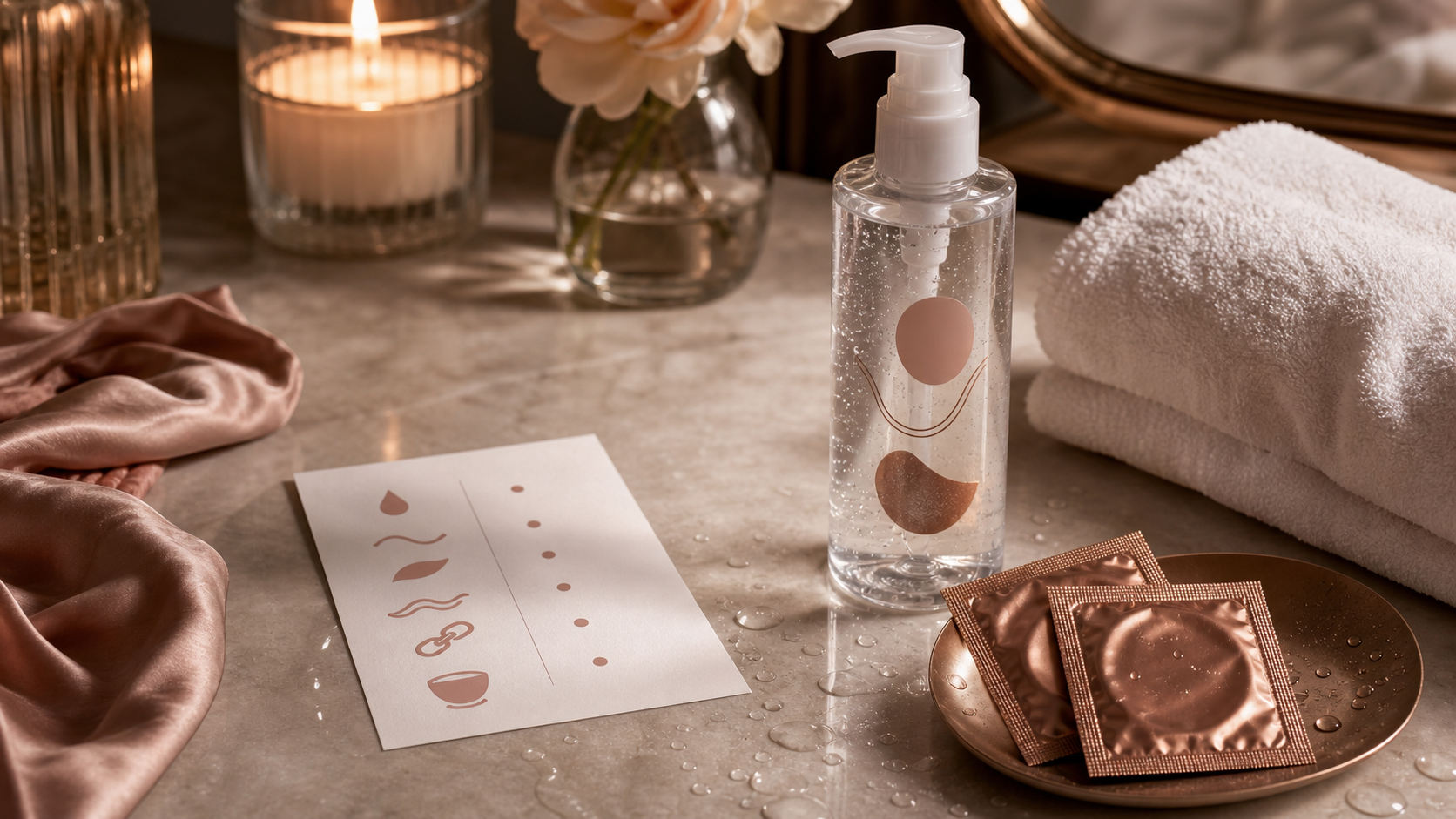
Quick answer: match lubricant to material and use case
Water-based lubricant is often the safest first comparison point because it is widely compatible with many toys and condoms. Silicone-based lubricant can last longer but may not suit some silicone toys. Oil-based products can damage latex condoms and are not interchangeable with intimate lubricant.
Core question explained
People searching for beginner lubricant guide are usually not looking for a dramatic promise. They want to know what is safe, private, realistic, and worth paying for. The best answer starts with context: how the product will be used, how much cleaning it requires, how discreet the purchase needs to be, and whether the design matches the reader's comfort level. For adults 18+, a good wellness purchase should reduce uncertainty rather than create pressure.
For this topic, the useful angle is: Explain compatibility and comfort in plain language. Related searches such as water-based lubricant lube, water based lubricant lube, lube life water based personal lubricant, lubricant basics show that readers want details, not vague reassurance. A trustworthy article should explain trade-offs: a smaller product may be easier to store, a stronger motor may be louder, a premium material may cost more, and a privacy-focused store should still make delivery and support policies easy to understand.
Who it suits and who should wait
This guide is for adults who prefer calm, educational shopping advice. It is especially useful if you are comparing options for the first time, sharing a home, buying with a partner, or trying to avoid vague product claims. It is not for anyone seeking explicit content, medical treatment claims, or unsafe shortcuts. If a product causes pain, irritation, numbness, or anxiety, stop using it and consider professional guidance where appropriate.
- Good fit: readers who want body-safe materials, private delivery, and simple care routines.
- Consider waiting: readers who feel pressured, are unsure about consent, or cannot verify product materials.
- Ask support first: if you need exact package, billing, size, cleaning, or compatibility information.
Key judgment standards
Use a short checklist before you compare prices. First, identify the material and whether it is non-porous. Second, check how the item is powered, cleaned, and stored. Third, look at privacy factors such as packaging, billing, and noise. Fourth, make sure any lubricant or cleaner you plan to use is compatible. Finally, choose the simplest product that solves the actual need; extra modes are only useful when you understand them.
Material: Prefer transparent labels such as body-safe silicone, ABS, glass, or stainless steel where appropriate. Avoid vague jelly blends and strong chemical odors.
Comfort: Dimensions, firmness, weight, and controls should match the intended use. Beginner-friendly usually means predictable, not extreme.
Privacy: Look for discreet packaging, private billing language, clear tracking, and a support channel that can answer sensitive questions professionally.
Maintenance: A product is only practical if you can clean, dry, charge, and store it consistently.
Detailed guide and practical method
Use this process before you make a decision. It keeps the focus on real-life use rather than a long list of features.
- Choose a base type. Apply this step to beginner lubricant guide by checking the product page, instructions, and your own comfort level before continuing.
- Read ingredient warnings. Apply this step to beginner lubricant guide by checking the product page, instructions, and your own comfort level before continuing.
- Match toy material. Apply this step to beginner lubricant guide by checking the product page, instructions, and your own comfort level before continuing.
- Clean after use. Apply this step to beginner lubricant guide by checking the product page, instructions, and your own comfort level before continuing.
When comparing products, read the entire product page instead of only the title. Look for dimensions, material, power source, waterproof notes, cleaner compatibility, and return or support instructions. If those basics are missing, treat that as a signal to slow down. A lower-priced item is not a good value if the material is unclear or the care instructions are missing.
For partnered use, make the decision together. Discuss boundaries, storage, cleaning, and whether either person wants a simpler option first. Adult wellness products should support communication and comfort; they should not become a surprise that creates pressure.
Common mistakes that reduce comfort, privacy, or value
- Buying from the title alone: Titles often compress important details. Always read specs and care notes.
- Ignoring lubricant compatibility: Some combinations can damage materials. When unsure, choose water-based lubricant or ask support.
- Assuming waterproof means indestructible: Waterproof claims have limits, especially around charging ports and long soaking.
- Skipping drying time: Storage before full drying can create odor, lint, or surface issues.
- Expecting medical results: Wellness accessories are not medical treatment. Avoid products or articles that promise medical results.
Comparison checklist
| Decision point | Better beginner choice | When to upgrade |
|---|---|---|
| Controls | Few buttons, clear levels | You already know which patterns or settings you prefer |
| Material | Clearly labeled, non-porous surfaces | You understand care differences between materials |
| Noise/privacy | Quiet settings and discreet storage | Privacy is less of a concern or you have a dedicated space |
| Cleaning | Simple wash and dry routine | You are comfortable with more detailed maintenance |
Lubricant Choices for First-Time Buyers
Water-based first
For many beginners, water-based lubricant is the easiest starting point because it is broadly compatible with many body-safe materials and simple to clean. It may need reapplication during longer use.
Silicone-based lubricant limits
Silicone based personal lube can last longer and feel different, but it may not pair with every silicone product. Check manufacturer instructions before combining it with silicone toys.
Ignore industrial-product confusion
Some keyword data includes automotive, treadmill, or grease terms. This guide only covers personal wellness lubricants from reputable sellers with ingredient transparency.
Helpful next reads:
Red flags to slow down before checkout
- The product page avoids material, dimensions, cleaning, or charging details.
- The seller makes guaranteed medical, fertility, relationship, or therapeutic claims.
- The page uses pressure-based language but does not explain returns, privacy, or support.
- Care instructions are missing or conflict with the product’s water, material, or power design.
FAQ
Is water-based lubricant the safest beginner choice?
It is often the easiest starting point because it works with many toys and many condoms. Still, read the label for intended use, ingredients, and compatibility.
Can silicone lubricant damage silicone toys?
Some silicone lubricants may affect some silicone toy surfaces. Unless the seller confirms compatibility, use water-based lubricant with silicone toys.
Is massage oil the same as lubricant?
No. Massage oil and intimate lubricant are not interchangeable. Oil-based products can damage latex condoms and may not be suitable for intimate use.
What should sensitive-skin shoppers check?
Look for simple ingredient lists, avoid unnecessary fragrance or warming additives, and stop using any product that causes irritation.
Do lubricants provide medical benefits?
No. They are comfort and compatibility products, not medical treatments. Consult a qualified professional for health concerns.
Internal links and next steps
- body-safe lubricants — Supports safer use, comfort, and maintenance decisions.
- quiet personal massagers — Relevant product category for readers comparing vibration styles.
- sexual wellness blog — Connects the article to the wider education hub.
- contact our support team — Useful for discreet shipping, returns, and product questions.
Related reading:
Summary
The best answer to beginner lubricant guide is practical: choose body-safe materials, match the product to a clear use case, protect privacy, and keep cleaning simple. If a claim sounds exaggerated, if the material is unclear, or if the page avoids basic care instructions, pause before buying. A discreet, educational shopping process leads to better decisions than a rushed purchase.