Best Water-Based Lube Checklist
A practical checklist for choosing the best water-based lube for your needs, with ingredient label checks, condom and toy compatibility, texture expectations, cleanup, and cautious red flags.
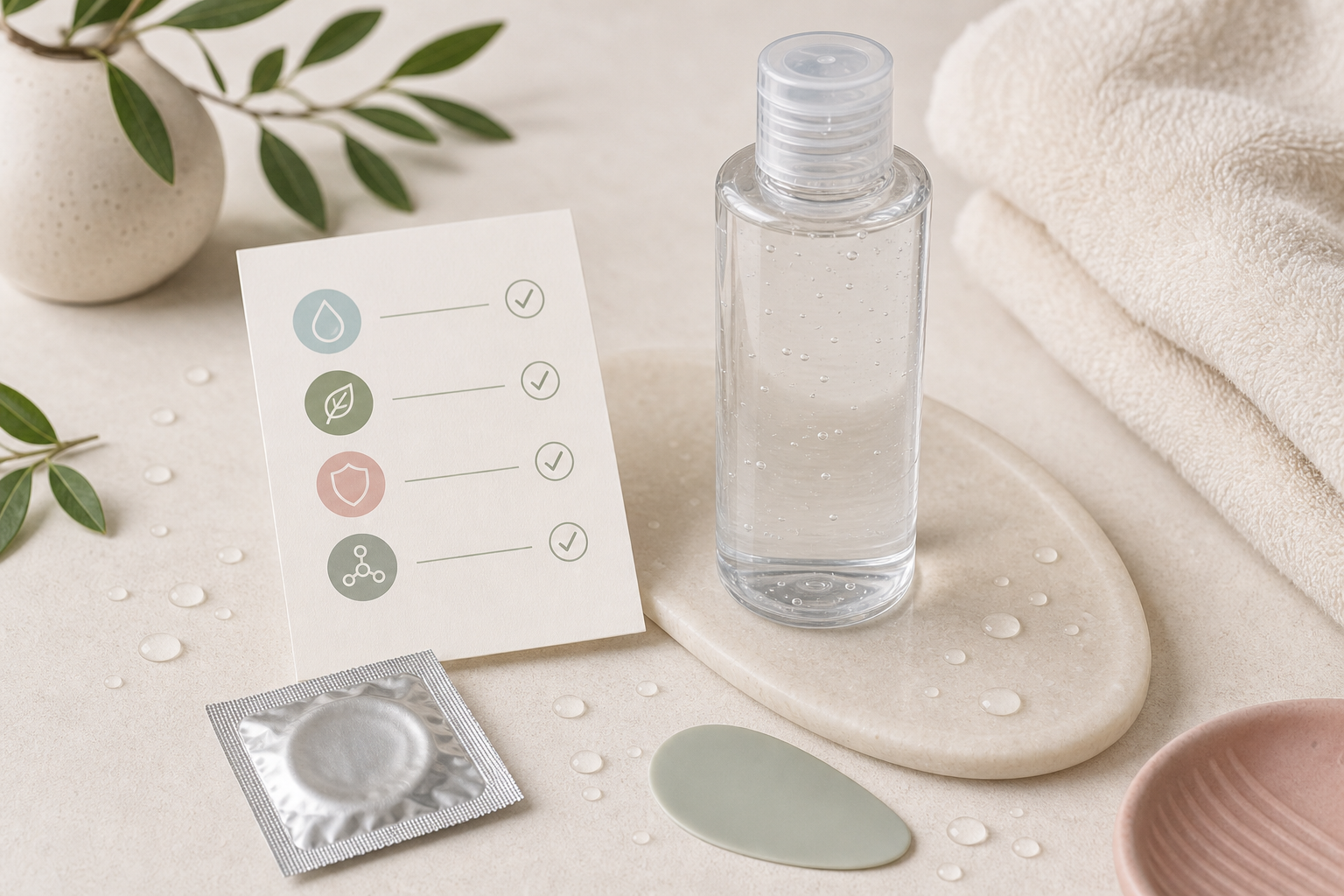
Quick Answer
The best water-based lube is the one that clearly lists ingredients, states condom and toy compatibility, feels right for your intended use, rinses off easily, and avoids exaggerated health claims. For most adult shoppers, start with a simple fragrance-free water-based formula, then compare texture, reapplication needs, packaging, and sensitive-skin preferences before buying multiple bottles.
Why water-based lube is a practical default
Water-based lubricant is popular because it is easy to clean, widely available, and often compatible with condoms and many adult wellness products. It can be a simple first choice when you do not want to worry about oil damaging latex barriers or silicone lubricant reacting with silicone toys.
That does not mean every bottle is equal. Formulas vary in thickness, slickness, ingredients, preservatives, taste, fragrance, packaging, and how fast they dry. A good product page makes those differences clear instead of relying on vague words such as premium, natural, or ultra.
Ingredients: read the label before the slogan
Ingredient lists matter more than marketing claims. If you prefer a simple formula, look for a full ingredient label and avoid products that hide details behind vague proprietary language. Fragrance, flavoring, warming agents, cooling agents, dyes, and some preservatives may be more noticeable for sensitive shoppers.
Natural does not automatically mean gentle, and hypoallergenic does not mean irritation-proof. If you have frequent irritation, unexplained symptoms, or medical concerns, talk with a qualified clinician rather than rotating through random products.
Condom and barrier compatibility
Many water-based lubes are designed for condom use, but the package should say so. FDA and CDC resources are useful reminders that condom and barrier instructions matter. Oil-based products can weaken latex condoms, while water-based and some silicone-based lubricants are commonly used with condoms when the label confirms compatibility.
If condoms or barriers are part of your plan, do not guess. Choose a product with clear condom-compatible wording, check expiration dates on barriers, and follow package instructions.
Toy compatibility and cleanup
Water-based lube is often the safer default for silicone toys, vibrators, sleeves, and other body-contact products because it usually rinses off easily and is less likely to conflict with toy materials. Still, the toy manual wins. Read both labels: the lubricant label and the product care instructions.
After use, wash toys as directed, dry them fully, and store them away from lint. If a lubricant leaves sticky residue, use the cleaning method recommended by the toy maker rather than harsh household cleaners.
Texture, reapplication, and bottle design
Thin water-based lube can feel light and easy to spread. Thicker gel-style formulas may stay where placed and can be easier to control. Neither is automatically better; the right texture depends on your use, comfort, and cleanup preference.
Water-based formulas may need reapplication because water evaporates. That is normal. Packaging also matters: a pump may be convenient at home, while a flip cap or travel-size tube may be more discreet. Check whether the cap leaks in reviews before you pack it in a bag.
pH and osmolality without overclaiming
Some product pages mention pH or osmolality. In plain English, these terms describe product chemistry and how it compares with body tissues. The World Health Organization has published technical guidance about these topics in sexual-health contexts. Shoppers do not need to memorize technical values, but transparency is a good sign.
Be cautious when brands use technical terms to imply medical treatment or guaranteed comfort. More information is helpful; exaggerated claims are not.
Red Flags / when to slow down before checkout
Pause if the ingredient list is missing, condom compatibility is unclear, toy compatibility is not mentioned, or the page makes medical promises about infections, fertility, hormones, or treatment. Slow down if reviews repeatedly mention burning, strong fragrance, leaking bottles, sticky residue, or damaged toys.
Avoid choosing only by search rank or a dramatic “best” claim. A transparent mid-priced formula with clear instructions is usually a better buy than a mysterious bottle with aggressive marketing.
Best-choice checklist
| Check | Better sign | Caution sign |
|---|---|---|
| Ingredients | Full label shown before checkout | Hidden or vague ingredient list |
| Compatibility | Condom and toy notes are clear | No barrier or toy guidance |
| Texture | Thin or gel feel explained | Only says silky or premium |
| Claims | Comfort and cleanup wording is cautious | Medical or guaranteed-result claims |
FAQ
What is water-based lube?
It is a personal lubricant where water is the main base. It is popular because it is easy to rinse off and often compatible with many condoms and toys.
Is water-based lube condom-safe?
Many water-based lubes are made for condom use, but the label should say so. Avoid oil-based products with latex condoms.
Is water-based lube safe for silicone toys?
It is often the safest default for silicone toys, but you should still check both the lube label and the toy care instructions.
Why does water-based lube get sticky?
Water-based formulas can dry as water evaporates. Adding a little more product or a small amount of water may help, depending on the formula.
Should I choose glycerin-free water-based lube?
Some sensitive shoppers prefer glycerin-free formulas. It is a label preference, not a universal rule, so compare ingredients and stop using anything that irritates you.
References and useful sources
Shop and learn next
Useful product or support links:
Related ShopLovaNest guides: